
Drilling Technology: A Brief History
29 October, 2020
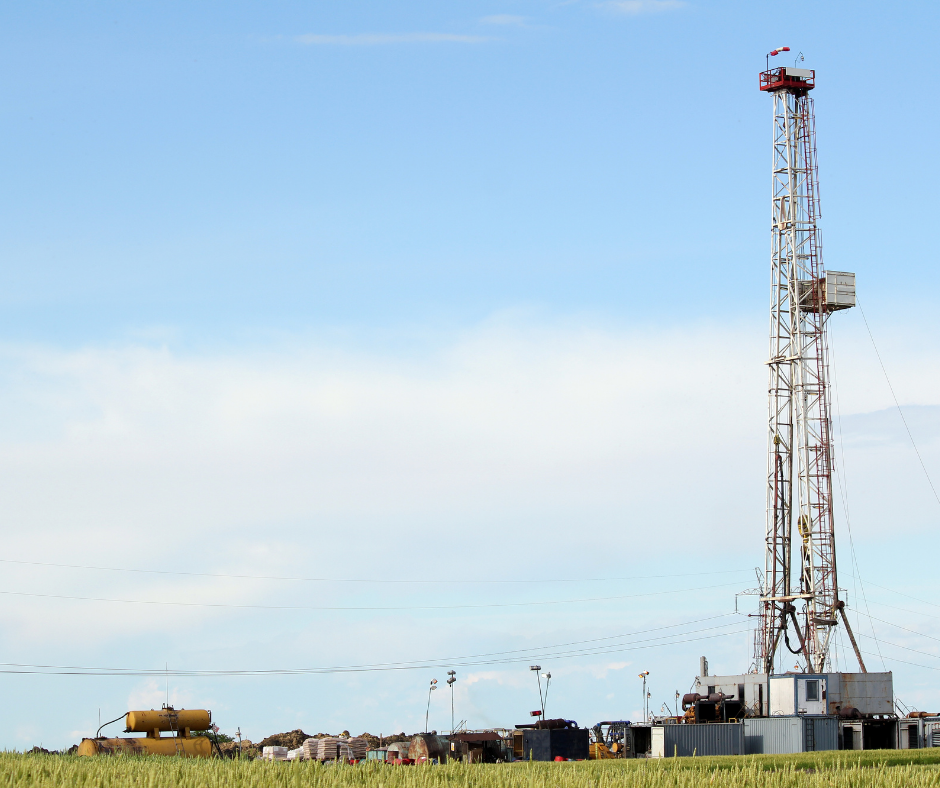
Several advancements have been made regarding drilling and well production to ensure minimal environmental impact, safety, and great mass production. Let's take a short dive back in history to see where drilling began and just how far we've come.
The Earliest Known Drilling
The brine wells in China around 200 BC are the earliest known forms of drilling on record. The Chinese would use bamboo shoots to bore shallow wells and extract gas to fire evaporators that made salt from brine. The earliest known use of drilling in the United States didn't occur until the 19th century, with the very first commercial oil well — the Drake well — named after Edwin L. Drake, known as the "Father of the Oil and Natural Gas Industry." During the early 1800s, oil had been used in medicine, but it wasn't until later that century that people began to realize they could use it in kerosene lamps to light homes and paths.
The Spring-Pole Method
Many early drilling technologies developed near the Kanawha River Valley in West Virginia. One of the earliest forms of drilling during the 19th century was the "spring-pole" method, originally used to drill brine wells and find salt for food preservation. Between 1806 and 1808, the Ruffner brothers invented this method and helped create the first rock-bored well in the U.S. The method required manual strength to operate the spring-pole so it could chip away further into the ground. The most common material for the pole was branches of the native hemlock tree, valued for its resilience and ability to bend and spring back without fracturing. It often took several hours or even days to drill just tens of feet — operators took nearly 18 months to drill just 60 feet into the ground.
The First Natural Gas Well
The very first natural gas well in the U.S. was drilled in 1821 in Fredonia, New York by William Hart, known as the "Father of Natural Gas." During the last decade of the 19th century, natural gas was commonly used as a source of light in homes and along streets. It was also discovered to be easily transported via pipelines — the first one was created in 1891, a 2-inch thick pipeline stretching 5.5 miles to deliver natural gas to the town of Titusville, PA.
Water Circulation and Cable Tool Drilling
A pivotal development came when French engineer Pierre-Pascal Fauvelle implemented water circulation during the drilling process. Using water as a lubricant to flush out the drill bit and clear rock debris kept the bit cool and dramatically increased speed and efficiency — he was able to drill 560 feet in just 23 days, a feat that would have likely taken several years prior to this advancement. His method is still used in some parts of the world today.
The spring-pole method eventually evolved into "cable tool drilling," also known as percussion drilling. The key addition was the use of steam instead of manual labor to raise and lower the drill bit. These cable tool rigs included a bullwheel and a drilling cable powered by a steam engine and boiler, and remained one of the primary forms of drilling until the end of World War II.
Where We Are Today
Since these early years, countless improvements have been made to the drilling process to make it more efficient with less environmental impact. Production costs have been dramatically cut, environmental effects greatly reduced, and efficiency improved to the point where natural gas can be used daily in millions of homes and businesses across the U.S. every single day.